
 Catalogue
1. Trials are speeding up
China completed the first phase of 6G technology trials with 300+ key technologies reserved, and the second phase is now underway. In May 2026, the MIIT approved 6GHz test licenses, letting prototypes run in real environments.
2. First Pre-6G network goes live
Nanjing’s Zijinshan Laboratory launched China’s first Pre-6G network: one tower covers a 50 km low-altitude corridor, with integrated capability about 10× that of 5G — built for drones, robots and immersive media.
3. Records keep falling
>Nature (Mar 2026): 400 Gbps per channel terahertz wireless + 512 Gbps fiber, carrying 86 channels of 8K video.
>Wuhan field test (May 2026): 6G terminal prototype hit 5 Gbps single-device / 10 Gbps system downlink.
>China led the first ITU-R report on 6G satellite radio trends.
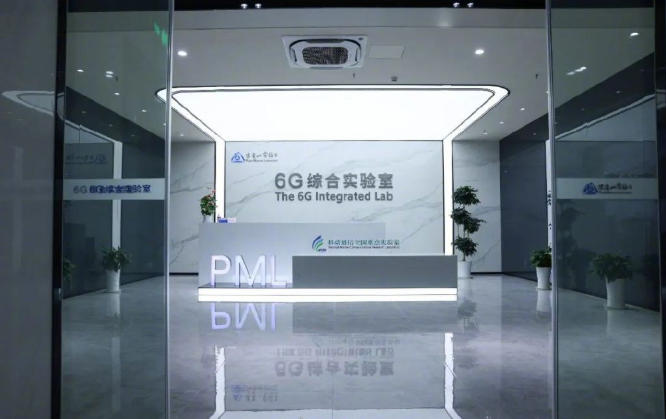
(@南京发布)
Why it matters for RF:
>More bands, more filters. 6G adds new frequency bands on top of today’s VHF/UHF and microwave links. Every new band means more rf filters, cavity filters, band pass filters and notch filters to keep signals clean.
>Duplexers and diplexers stay essential. Anywhere a radio transmits and receives at the same time — from vhf uhf duplexers in repeaters to cavity duplexers in base stations — you need duplexers and diplexers that handle the new bands.
>Networks become sensors. 6G lets the same base station communicate and detect drones at once, so interference gets tougher — tunable filters and band reject filters will be in higher demand.
more spectrum and more scenarios simply means more rf/microwave components. 5G already pushed demand for 5g rf filter manufacturers; 6G will keep it growing.
Post time: Sep-17-2026


